

Industry News
Why Digital Accessibility Overlays Don’t Work, and What Does
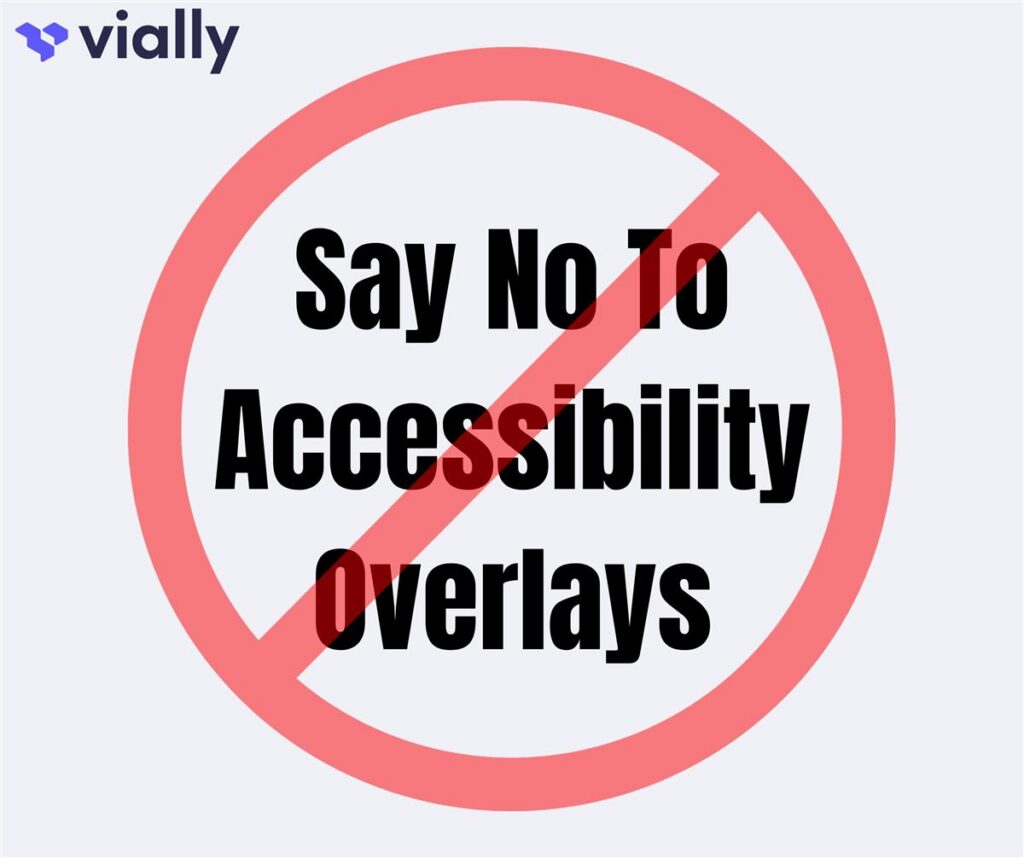
Digital accessibility is a growing concern for businesses worldwide, with regulations like the EU Web Accessibility Directive mandating compliance. In response, many companies turn to accessibility overlays, automated tools that claim to make websites accessible without requiring changes to the underlying code. However, technical evidence and user feedback clearly show that overlays are ineffective and can even introduce new accessibility barriers.
The problem with accessibility overlays
The European Commission’s Web Accessibility Directive Report specifically identifies that overlays fail to provide true accessibility compliance, meaning they will not help you comply with the European Accessibility Act, the Americans with Disabilities Act or any other legislation globally.
Overlays often:
- Miss critical issues. Overlays rely on automated fixes that cannot detect or correct structural problems in code.
- Create new barriers. Some overlays interfere with screen readers, keyboard navigation and other assistive technologies.
- Give a false sense of compliance. Businesses assume they are compliant, but overlays do not meet WCAG standards, leaving them vulnerable to legal action.
The Overlay Fact Sheet further highlights the legal risks, noting that lawsuits against companies using overlays are increasing. In 2023 alone there were over 500 lawsuits filed against businesses relying on these tools.
Most importantly, they negatively impact the user experience, often making websites less accessible rather than improving them. More than 900 experts and disabled people worldwide have signed a statement to this effect. It does not get any clearer than that.
We must ask ourselves: if a company is still pushing overlay technology, how reliable is their accessibility expertise?
The right approach to digital accessibility
Instead of quick fixes, businesses should invest in real accessibility solutions that address the root causes of accessibility barriers. This includes:
Manual and automated testing. Combining expert review with AI-supported automation to ensure accurate and comprehensive results.
CI/CD integration. Embedding accessibility checks into the development process to prevent issues before they go live.
User-centred design. Engaging people with disabilities in testing leads to truly inclusive digital experiences.
Conclusion
Accessibility overlays promise an easy fix but fail to deliver real, lasting accessibility. Companies must adopt a hybrid approach that integrates expert insight with automation and user feedback to ensure inclusivity and compliance. They must design and build with accessibility in mind. As regulatory scrutiny increases, businesses that prioritise genuine accessibility will gain a competitive edge, putting the customer first so they come back time and again.
Vially can help
If you are ready to make your organisation more accessible, are unsure whether you comply with the laws that apply to you, or simply have questions you would like answered, we are here to help.